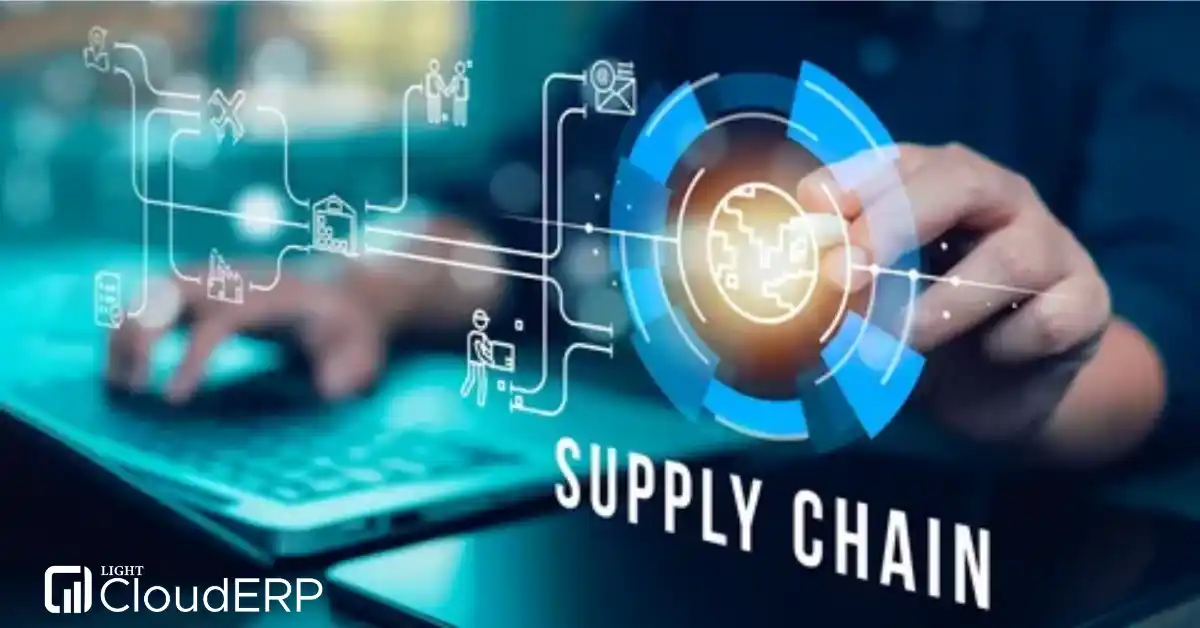
Role of Purchasing in Effective Supply Chain Management
Have you ever wondered why some businesses always seem to have the right products at the right time while others struggle with delays and shortages? A big part of the answer lies in understanding the role of purchasing in supply chain management. While many people think of supply chains as just moving goods from point A to point B, the truth is that purchasing plays a pivotal role in making the whole process efficient, cost-effective, and reliable.
In simple terms, purchasing is not just about buying what a company needs. It’s about choosing the right suppliers, negotiating the best deals, planning inventory, and ensuring that everything arrives when it’s supposed to. Companies that recognize the value of this function, especially when using smart tools like Lightcloud ERP, gain a competitive edge in both operations and cost management.
What is Purchasing in Supply Chain Management?
The Foundation of SCM
At its core, purchasing is the foundation of any supply chain. Without timely and accurate procurement of materials, a supply chain can break down quickly. Purchasing managers ensure that production teams, warehouses, and retailers have exactly what they need, when they need it.
Daily Responsibilities
Key purchasing responsibilities in supply chain include:
- Managing vendor contracts and relationships
- Placing orders and tracking deliveries
- Ensuring materials meet quality standards
- Controlling purchase costs and monitoring budgets
These tasks may seem straightforward, but each decision has a ripple effect throughout the supply chain.
Why Technology Helps
Tools like Lightcloud ERP help purchasing teams track orders, monitor inventory, and generate real-time reports. By having a central system, managers can avoid double orders, stock shortages, and last-minute procurement issues.
How Purchasing Impacts Supply Chain Efficiency
Vendor Management in SCM
Good vendor relationships mean better pricing, timely deliveries, and higher-quality materials. A purchasing manager who understands vendor management in supply chain ensures that suppliers align with the company’s goals, creating a reliable and flexible supply network.
Inventory and Purchasing Management
Balancing inventory is tricky. Too much stock ties up capital, while too little can halt operations. Effective inventory and purchasing management ensures optimal stock levels across locations, reducing waste and keeping the supply chain smooth.
Cost Optimization
Purchasing decisions directly affect costs. Managers use strategic sourcing, negotiate contracts, and analyze spending patterns to ensure cost optimization in supply chain. This not only saves money but also supports better financial planning for the organization.
Purchasing vs Procurement in Supply Chain
Many people use “purchasing” and “procurement” interchangeably, but there’s a subtle difference.
Purchasing Focus
Purchasing focuses on day-to-day buying. It’s transactional: placing orders, approving invoices, and managing supplier communications.
Procurement Role
Procurement is broader, involving strategic planning, supplier selection, and long-term contracts. In supply chain management, procurement ensures that purchasing decisions align with overall business goals.
Collaboration Between Both
For the supply chain to run smoothly, purchasing and procurement functions must work together. Purchasing handles immediate needs while procurement looks at the bigger picture, planning for future demand and risk management.
Strategic Purchasing in SCM
Planning Ahead
Strategic purchasing means thinking beyond immediate orders. It involves forecasting demand, identifying key suppliers, and planning purchases to support supply chain goals.
Supplier Relationship Strategies
A strong relationship with suppliers allows companies to negotiate better terms, access priority shipments, and maintain flexibility during peak demand. These supplier relationship strategies are crucial in maintaining supply chain resilience.
Monitoring Performance
Strategic purchasing also means tracking supplier performance, delivery times, and quality standards. Tools like Lightcloud ERP make it easy to monitor these metrics and make adjustments when needed.
Common Challenges and How Purchasing Solves Them
Delayed Deliveries
Late shipments can stop production lines. Purchasing managers mitigate this risk by negotiating reliable delivery schedules and maintaining buffer stock.
Cost Fluctuations
Prices for raw materials can swing unexpectedly. Strategic purchasing and cost optimization in supply chain help companies manage budgets and avoid financial surprises.
Quality Issues
Receiving subpar products can disrupt the supply chain. Purchasing ensures strict quality checks and works closely with suppliers to maintain standards.
Want to make your supply chain more reliable? Lightcloud ERP helps manage purchasing, track suppliers, and maintain optimal inventory. Contact us at +92 3080111822 / +92 300 1110365 or email info@lightclouderp.com to see it in action.
Best Practices for Effective Purchasing in Supply Chain
Centralized Information
Keep all data in one place. A unified system like Lightcloud ERP ensures both purchasing and supply chain teams work with accurate, real-time information.
Regular Review Meetings
Frequent coordination between purchasing and supply chain teams helps prevent mismatches and ensures everyone knows upcoming demands.
Measure Key Metrics
Track performance indicators such as cost per order, delivery times, supplier reliability, and inventory turnover. This helps make informed decisions and supports procurement process efficiency.
Conclusion
The role of purchasing in supply chain management goes far beyond simply buying materials. It impacts inventory, vendor relationships, cost control, and overall efficiency. Companies that prioritize purchasing and integrate it with supply chain strategy gain reliability, cost savings, and a smoother operation.
Using tools like Lightcloud ERP makes it easier to monitor every aspect of purchasing and supply chain management, providing transparency and reducing risks. Clear responsibilities, strategic planning, and the right technology make all the difference.
Elevate your supply chain with better purchasing practices today. Reach out to Lightcloud ERP at +92 3080111822 / +92 300 1110365 or email info@lightclouderp.com for a demo.
Frequently Asked Questions
What is the role of purchasing in supply chain management?
Purchasing ensures materials and products are acquired on time, supporting smooth supply chain operations.
How does strategic purchasing improve SCM?
It helps plan for future demand, manage suppliers, and reduce costs, keeping the supply chain efficient.
What is the difference between purchasing and procurement in SCM?
Purchasing is transactional and day-to-day, while procurement is strategic and long-term.
Can small businesses benefit from supply chain purchasing strategies?
Yes, even small operations improve efficiency and reduce costs with structured purchasing practices.
How does Lightcloud ERP support purchasing in SCM?
It tracks orders, monitors inventory, manages suppliers, and provides actionable insights for better decisions.
What are common challenges in purchasing for supply chains?
Challenges include delayed deliveries, cost fluctuations, and quality issues, all of which strategic purchasing addresses.
How important are vendor relationships in SCM purchasing?
Strong vendor relationships ensure reliable supply, better pricing, and timely delivery, crucial for overall supply chain performance.
Can one person manage both purchasing and supply chain roles?
Yes, but separating responsibilities or using technology like Lightcloud ERP ensures efficiency and reduces errors.

All Categories
Recent Posts
Role of Purchasing in Effective Supply Chain Management

What is the Difference Between Purchasing and Supply Management?